



The Backbone of India’s Economy
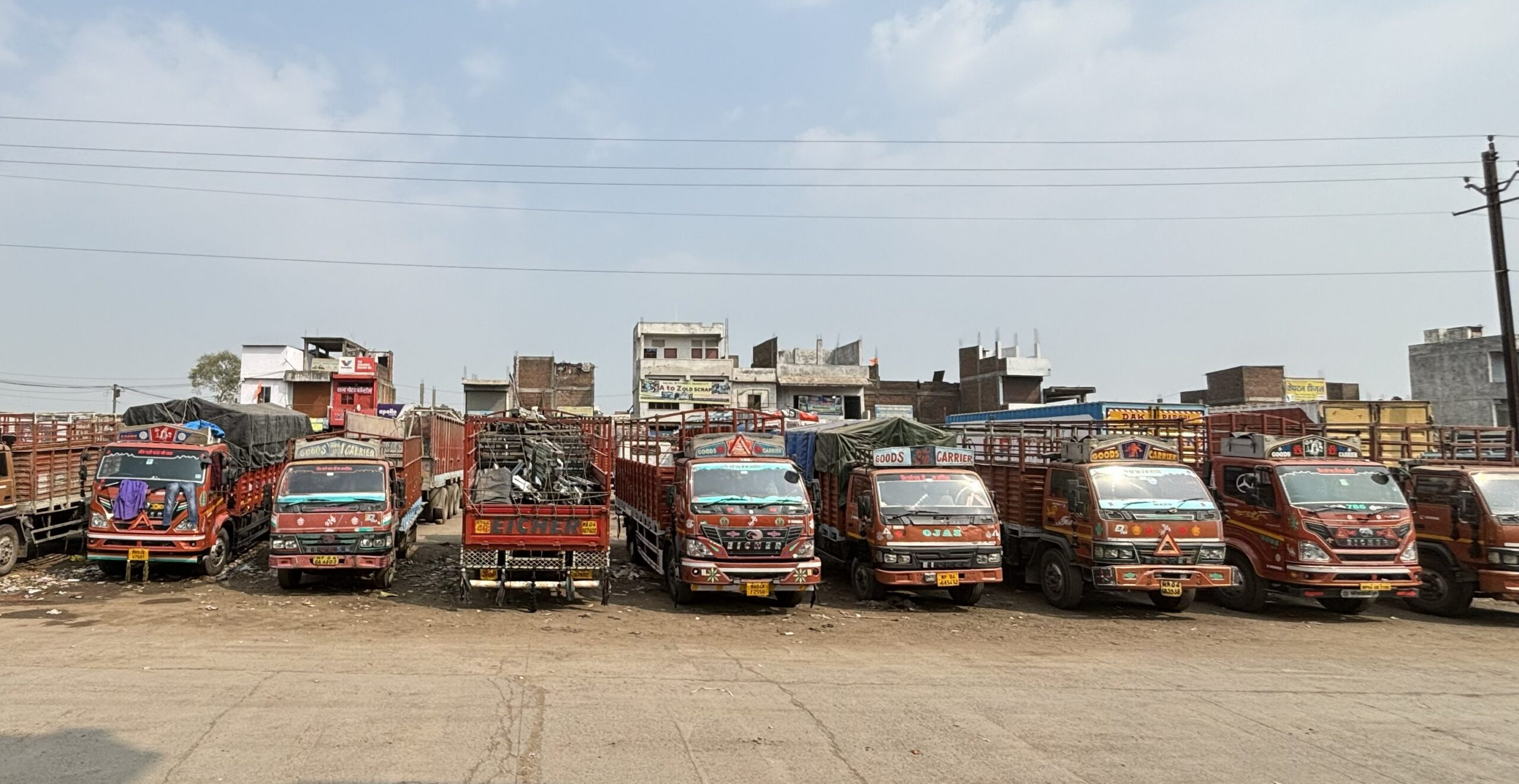
India’s trucking and logistics sector is a critical enabler of economic growth, contributing around five per cent of national GDP and supporting trade, manufacturing, and consumption across the country. Over the past decade, the sector has expanded rapidly, driven by infrastructure development, regulatory reforms, and changing consumption patterns.
The sector has grown at a CAGR of over 10 per cent between 2017 and 2022, reaching a market size of USD 215 billion in 2021, and expected to grow by 10.7% till 2026. E-commerce growth, rising industrial activity under the Make in India initiative, and expanding warehousing networks in Tier-2 and Tier-3 cities continue to push freight demand upward. However, this growth is increasingly constrained by one fundamental challenge: a severe shortage of truck driving partners.
The Truck Driving Workforce: An Ageing and Stressed Ecosystem
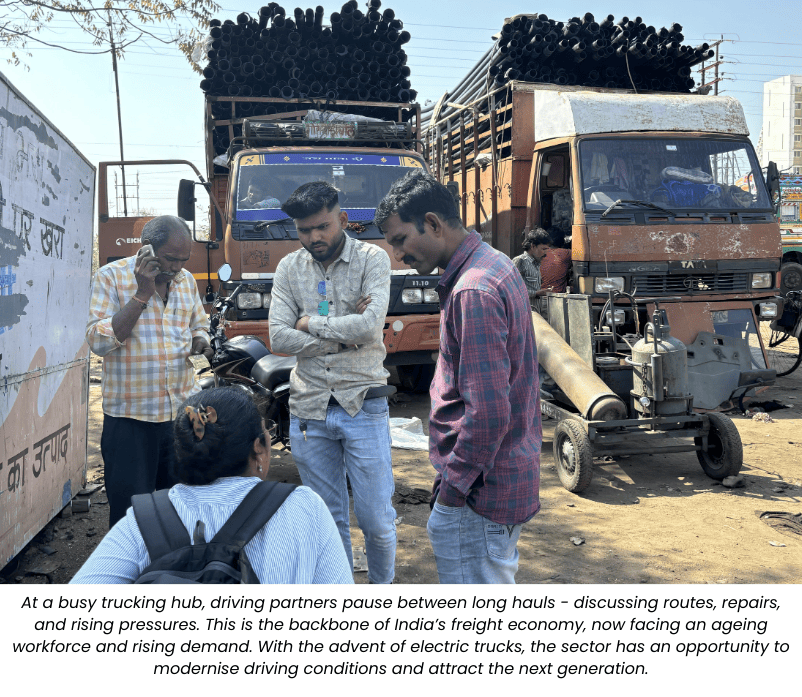
India today faces a shortage of nearly 2.2 million skilled truck driving partners, a gap that poses serious risks to supply chain reliability. With an estimated 6 million trucks on the road but only about 3.6 million driving partners, a large share of fleet capacity remains underutilised.
The demographic profile of truck driving partners highlights deeper structural issues. The average age of drivers is around 45 years, and the profession remains overwhelmingly male-dominated. Long hours, irregular schedules, poor living conditions on highways, and limited access to healthcare have taken a toll on their health. Studies show that over 50 per cent of driving partners develop chronic health issues such as back pain, cervical problems, and fatigue by their early forties.
Low wages further compound the challenge. While long-haul truck driving partners typically earn ₹30,000–40,000 per month, often more than urban cab drivers, the latter benefit from shorter working hours, better working conditions, and the ability to stay close to their families. As a result, trucking is increasingly perceived by younger workers as physically demanding, socially isolating, and economically less appealing.
Why Attracting Younger Workforce Is No Longer Optional
As freight demand rises, the ageing workforce and low inflow of young entrants threaten the long-term sustainability of India’s logistics sector. If unaddressed, this shortage could lead to higher freight costs, delivery delays, and reduced competitiveness for the Indian industry.
Attracting younger workforce is therefore not just a labour issue; it is also a strategic economic necessity. Younger workers bring adaptability, openness to technology, and longer productive lifespans. However, to appeal to them, trucking must evolve from a high-strain, low-aspiration occupation into a modern, skilled, and respected profession.
Modernising Trucking: Where Electric Trucks Change the Narrative
One of the most promising levers to attract the younger generation lies in modernising the nature of truck driving itself, particularly through the adoption of zero-emission trucks (ZETs).
ZETs offer a fundamentally different driving experience:
- Automatic drivetrains eliminate clutch operation and gear shifting, significantly reducing physical fatigue
- Lower noise and vibration improve comfort and mental well-being
- Instant torque and smoother acceleration make vehicles easier to operate, especially in stop-and-go conditions
- Cleaner cabins and zero tailpipe emissions create a healthier working environment
Crucially, these benefits are already being recognised by driving partners themselves. Recent insights from a survey carried out by Vasudha Foundation shows that 89% of ICE truck driving partners are willing to undergo training to transition to ZETs, reflecting strong openness to new technology. Moreover, 87% of ZET driving partners report improved cabin air quality, while an overwhelming 97% experience reduced vehicle vibrations and enhanced driving comfort when operating electric trucks. This level of acceptance highlights that ZETs are not perceived as a disruption by drivers, but as a clear upgrade
For younger, tech-savvy driving partners, electric trucks feel closer to modern passenger vehicles than traditional diesel trucks. Integrated telematics, digital dashboards, and predictable performance align better with the expectations of a generation accustomed to smart technology and automation.
Building a Pathway for Young Driving Partners
Modern vehicles alone will not solve the problem. A broader ecosystem approach is needed to make trucking attractive to young entrants:
- Structured Training and Certification
The government’s ₹4,500-crore plan to establish 1,600 driving training institutes is a critical step. These centres must go beyond basic licensing to include training on electric trucks, advanced driver assistance systems, and digital fleet tools, positioning driving as a skilled profession. - Health, Safety, and Social Security
Expanding access to healthcare, rest facilities, and insurance for driving partners is essential. Health-first interventions not only improve retention but also signal respect for the profession. - Clear Career Progression
Trucking should offer pathways – from driving partner to fleet supervisor, trainer, or operations manager – especially as fleets become more technology-driven. - Improved Earnings and Working Conditions
Lower operating costs from electric trucks create room for better compensation, while developing truck terminal and lay-over infrastructure ensures better working conditions. - Reframing the Image of Trucking
The shift toward electric, cleaner, and technologically advanced trucks presents an opportunity to rebrand trucking as part of India’s green growth story, aligned with sustainability and innovation.
Conclusion: A Generational Transition for a Growing Sector
India’s logistics sector is expanding faster than ever, but its workforce model requires a rejig. The driving partner shortage is not merely about numbers; it reflects deeper issues of job quality, health, dignity, and future prospects.
Attracting younger drivers will require rethinking trucking as a profession, supported by modern vehicles, better training, improved working conditions, and a clear sense of purpose. This will require collaboration among all stakeholders, including policymakers, manufacturers, fleet operators, and industry associations, to drive transformation across the sector. If India can align workforce reform with technological transition, trucking can evolve from a sector facing attrition into one that offers aspiration, stability, and pride for young driving partners, ensuring both economic resilience and sustainable mobility for decades to come.
Authored By: Tushar Katiyar, Senior Policy Officer-Clean Power, Electric Mobility, and Emerging Technologies, at Vasudha Foundation.