



Increasingly, State-level policy is shaping India’s energy transition and translating it into real
outcomes for households, workers and industries.
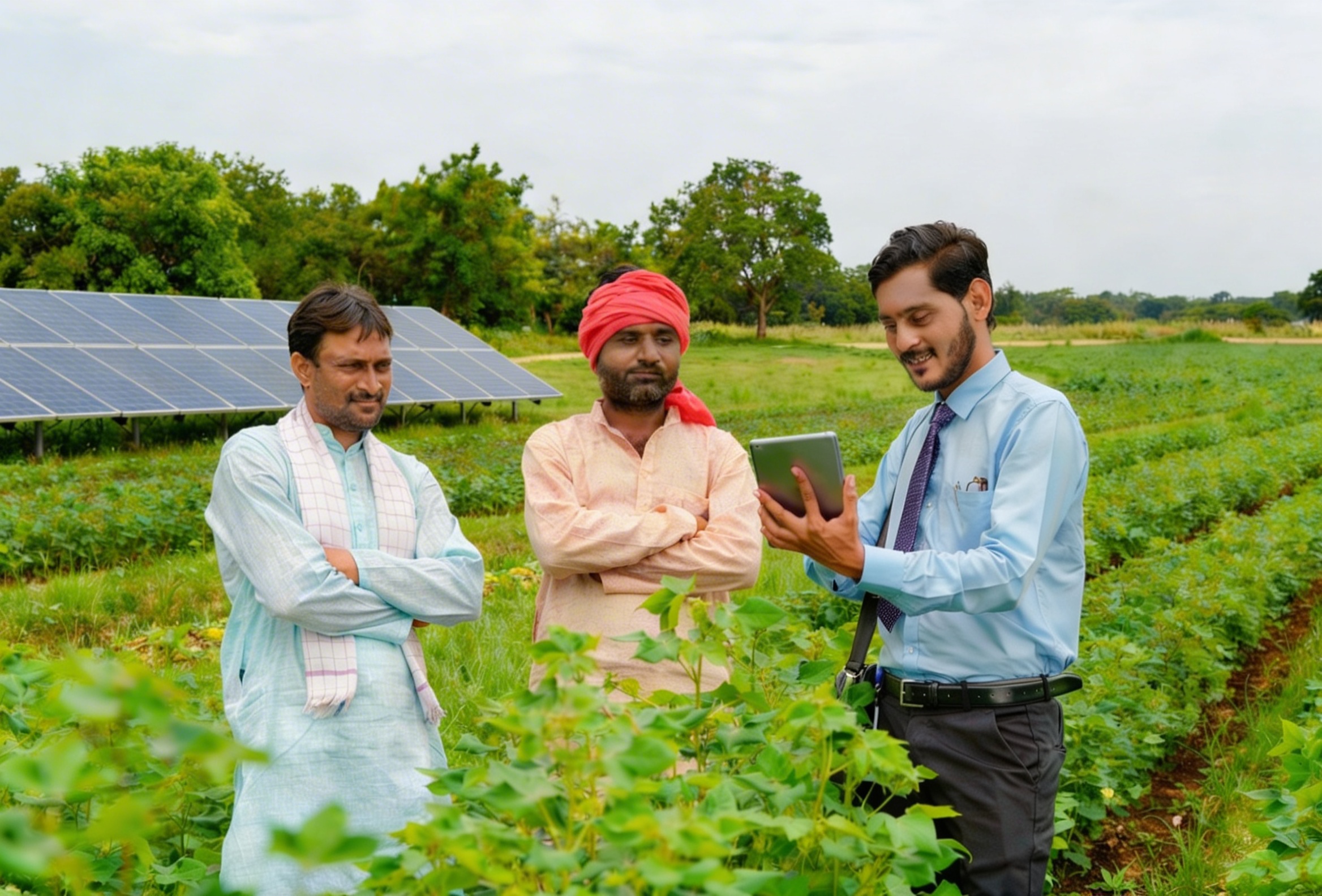
As of February 2026, nearly 30 lakh households have adopted rooftop solar under the PM Surya Ghar scheme, led by Uttar Pradesh, Maharashtra and Gujarat. While national programmes set direction, States are driving uptake through local regulation and delivery.
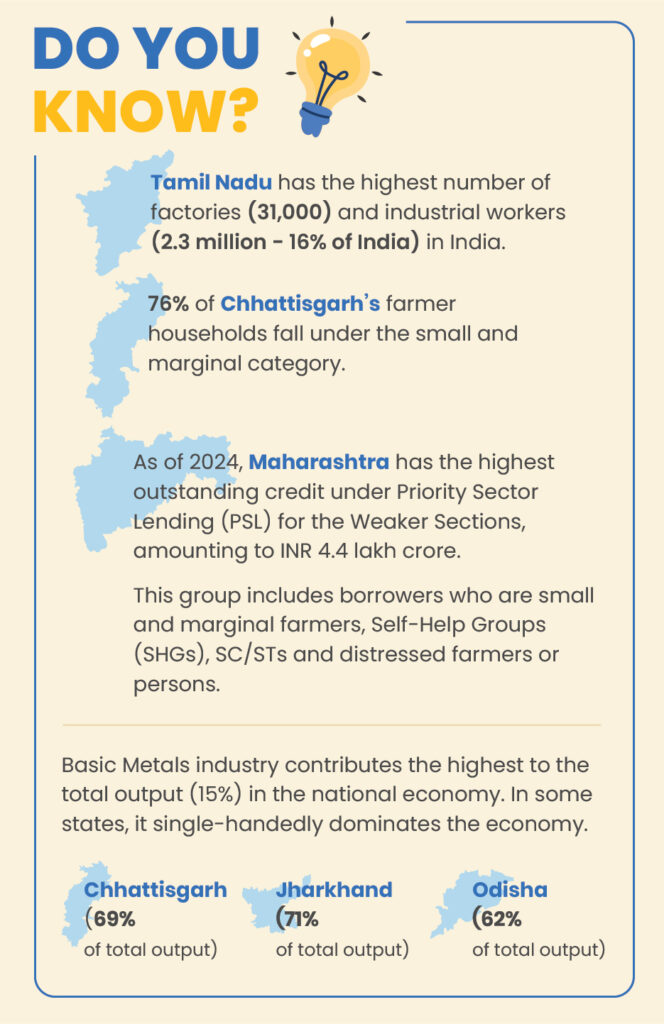
Several States, including Gujarat, Tamil Nadu, Maharastra, Madhya Pradesh, etc. are increasingly creating climate and energy trackers that bring together climate and energy data across sectors and districts, enabling informed decision-making.
The transition is equally about jobs. Tamil Nadu is setting up Solar Skill Centres of Excellence with Tata Power and the Directorate of Employment & Training, while Andhra Pradesh has launched a green skilling initiative targeting 3 lakh jobs in the green energy sector over the next five years. Madhya Pradesh’s Electric Vehicles Policy links EV growth with employment and training, and the upcoming Gujarat Industrial Policy will require large new industries to invest 2% of project costs in skilling.
Together, these actions underline a clear message: India’s energy transition will progress at the State level, depending on how well energy goals are aligned with data, skills and on-ground implementation.