



We are witnessing a rapid surge in demand for lithium-ion batteries, driven by the growing integration of battery technology across digital devices, household appliances, electric vehicles (EVs), and renewable energy systems. As their adoption scales, it is essential to consider not only their first — or “primary” — life, but to adopt robust lifecycle management that unlocks value well beyond first use.
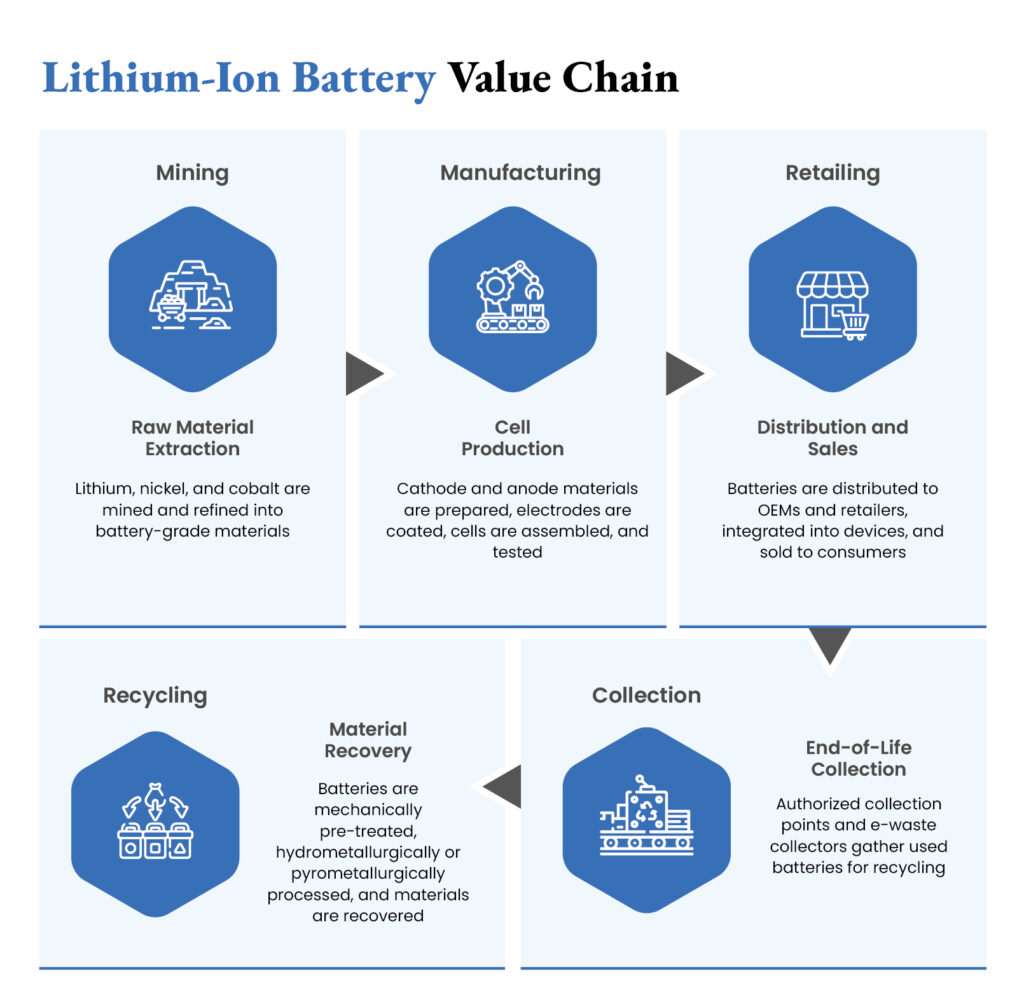
For a country like India, which is ramping up EV adoption while remaining heavily reliant on imports for battery raw materials, second-life battery reuse offers a strategic advantage. Furthermore, second-life battery initiatives align strongly with the principles of a circular economy. Rather than viewing batteries as disposable goods, they can be treated as assets whose value is recovered in multiple phases – first mobility, then stationary storage, and finally material recovery via recycling. This is not merely a waste-reduction strategy, but a model for value creation.
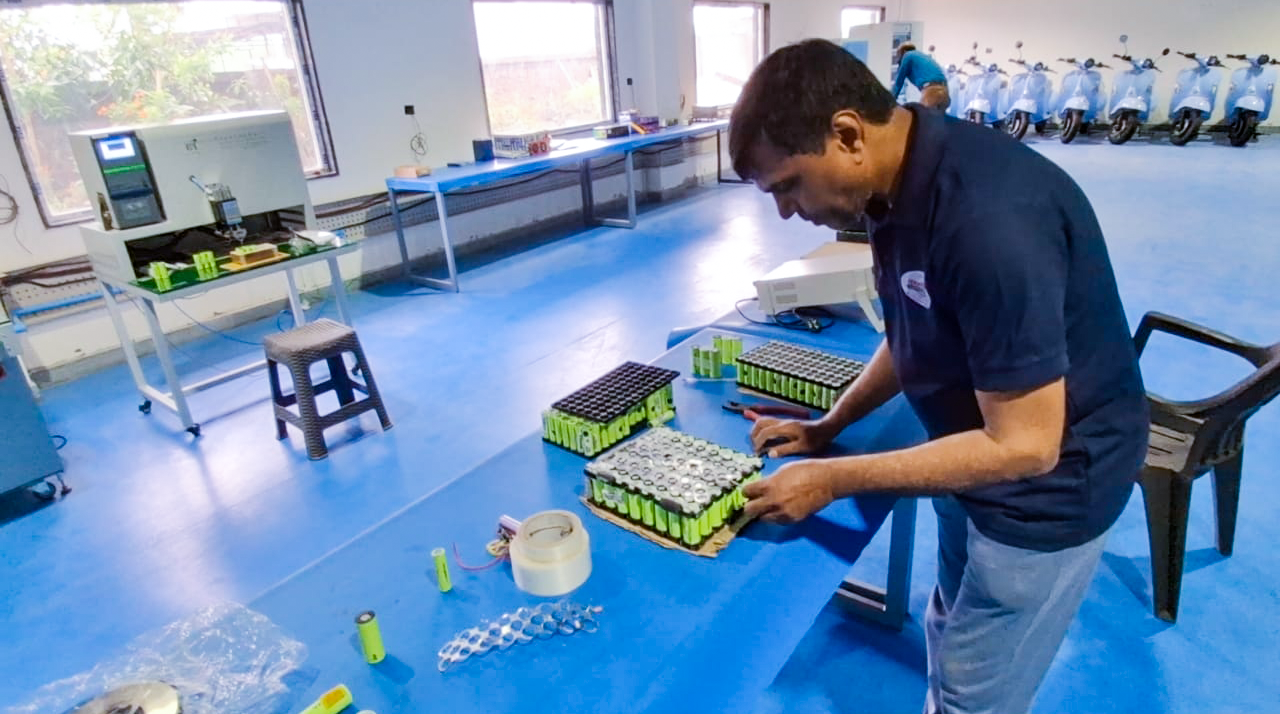
Also, second-life battery deployment offers social and economic benefits. A vibrant refurbishing ecosystem, involving collection, testing, repackaging, and redistribution, opens up new business opportunities and local employment (refurbisher-driven micro-enterprises can provide jobs in battery handling, testing, safe dismantling, reassembly, packaging, and distribution). For many communities, this can be a route to skill development and income generation, enriching local livelihoods while contributing to a green industrial ecosystem.
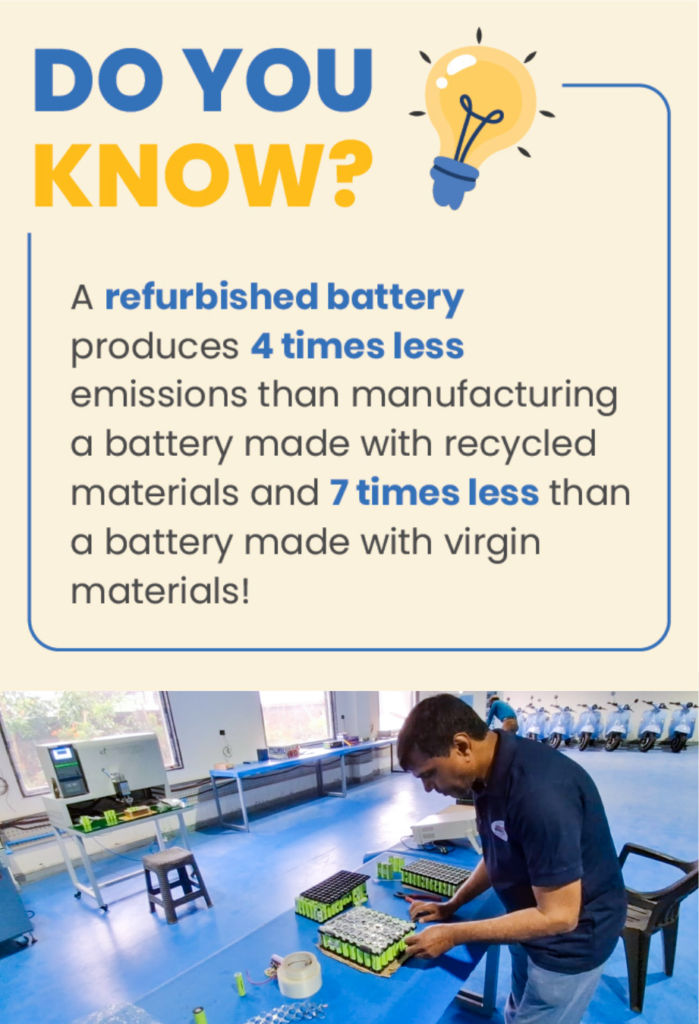
However, for this to scale successfully, the challenges faced by refurbishers need to be addressed. They struggle to scale as they buy retired batteries by weight or superficial metrics (rewarding bulk over usable capacity), leading them to overpay for degraded packs and ultimately affecting economic viability for second-life recovery. It can be resolved by public awareness, circularity-friendly product design, efficient take-back and testing mechanisms, a fair procurement system for refurbishers, and informed policies.