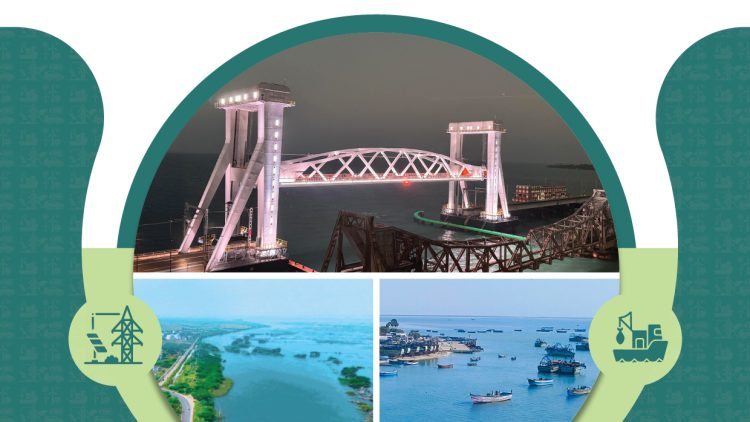
Rameswaram is one of Tamil Nadu’s most significant coastal towns, both culturally and economically.The Rameswaram LPA falls in the eastern part of the island in Ramanathapuram district of Tamil Nadu, covering 53 sq.m and accommodating ~56,000...
MoreThe Nilgiris District Decarbonisation Action Plan

The Nilgiris district, part of the Nilgiris Biosphere Reserve in the Western Ghats, is rich in biodiversity and home to a wide range of exotic and endangered flora and fauna. The region is renowned for its tea, spices, and a diverse mix of...
MoreCoimbatore District Decarbonisation Action Plan
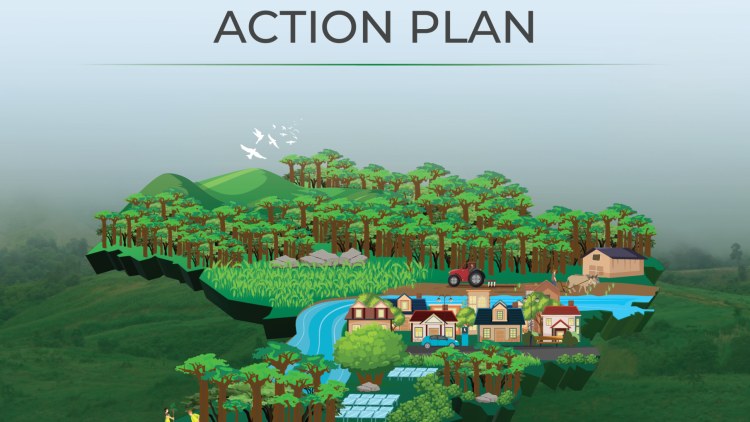
Coimbatore has been identified as one of the key districts for targeted decarbonisation efforts. By embracing Tamil Nadu’s renewable energy initiatives and integrating sustainable practices, the district can significantly contribute to the...
MoreInsights and Recommendations-India’s Truck Fleet Operator Survey
The white paper presents one of the most comprehensive assessments of the trucking ecosystem’s readiness for a zero-emission transition. As India advances toward its clean mobility goals, the survey captures insights directly from fleet operators...
MoreThe EV Opportunity: Unlocking Gender-Inclusivity in India’s Mobility Sector
This report examines India’s transition from internal combustion engine vehicles to electric vehicles as a critical opportunity to advance gender inclusivity across the mobility and automobile sector. Despite improvements in female labour force...
MoreDecarbonising Assam – Trends, Policies and Recent Developments
Assam’s economy-wide GHG emissions experienced notable shifts between 2011 and 2018. The grossGHG emissions grew from 28 to 33 Mt CO2e during this period. The energy sector saw the highestabsolute growth, with emissions increasing ~90 percent...
MoreDecarbonising Madhya Pradesh – Trends, Policies and Recent Developments
Why Decarbonisation Matters for Madhya Pradesh? Madhya Pradesh faces increasing vulnerability to climate change, evident in the rising frequencyof extreme weather events such as flooding, untimely rains, droughts and heatwaves. As a predominantly...
MoreElectrifying the Textile Industry
Summary of the report includes:› A Landscape assessment of the textile sector in India to understand the key textile energy consumption trends, processes and geographies.› Wet processes, particularly dyeing, drying, and stentering, are key...
MoreAccelerating India’s Clean Energy: Navigating Trends, Policies and Systematic Shifts
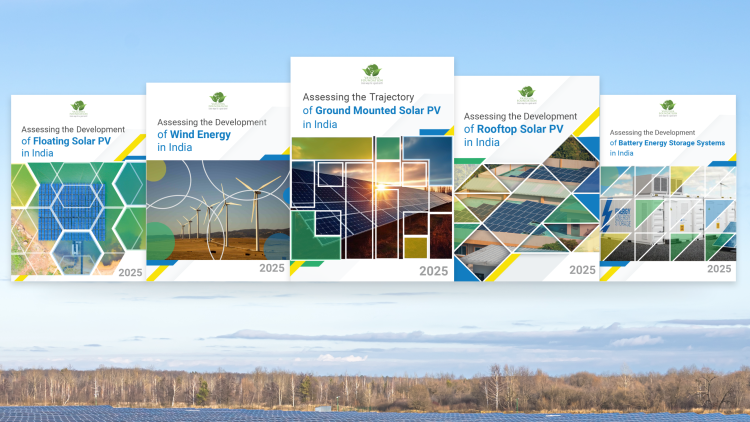
Globally, the transition to clean energy is accelerating to reduce emissions and mitigate the effects of climate change. At the forefront of this effort is the expansion of renewable energy (RE) to help decarbonise the electricity grid. India has...
MoreMobilising Just Transition Finance Towards India’s Sustainable Net Zero Future
Countries world over have recognised the risks of global warming and are committing to transition towards a sustainable, net-zero future. India too has adopted the target of achieving net carbon emissions by 2070 and is progressively undertaking...
MoreThe Varanasi Solar Story – A Socio-Economic Analysis of PM Surya Ghar: Muft Bijili Yojana
May 2025 The PM – Surya Ghar: Muft Bijli Yojana (PMSGY), launched on February 13, 2024, by the Honourable Prime Minister of India, Shri Narendra Modi, is a transformative initiative aimed at accelerating the adoption of residential solar...
MoreTransition Times Enabling Change Through CSR
This piece is the 2nd part of the ‘CSR & Just Transition’ knowledge series which captures practicallearnings and success stories from JT-aligned CSR interventions in the form of case studies andanswers to some key preliminary...
More